
Nashville Soundstage Rental Checklist :
What to Ask Before You Book
Choosing the right soundstage can make or break the efficiency of your production. Whether you are shooting a commercial, music video, branded content piece, interview setup, photo campaign, or film project, the space you book affects everything from lighting control and crew flow to parking, equipment access, and schedule flexibility.
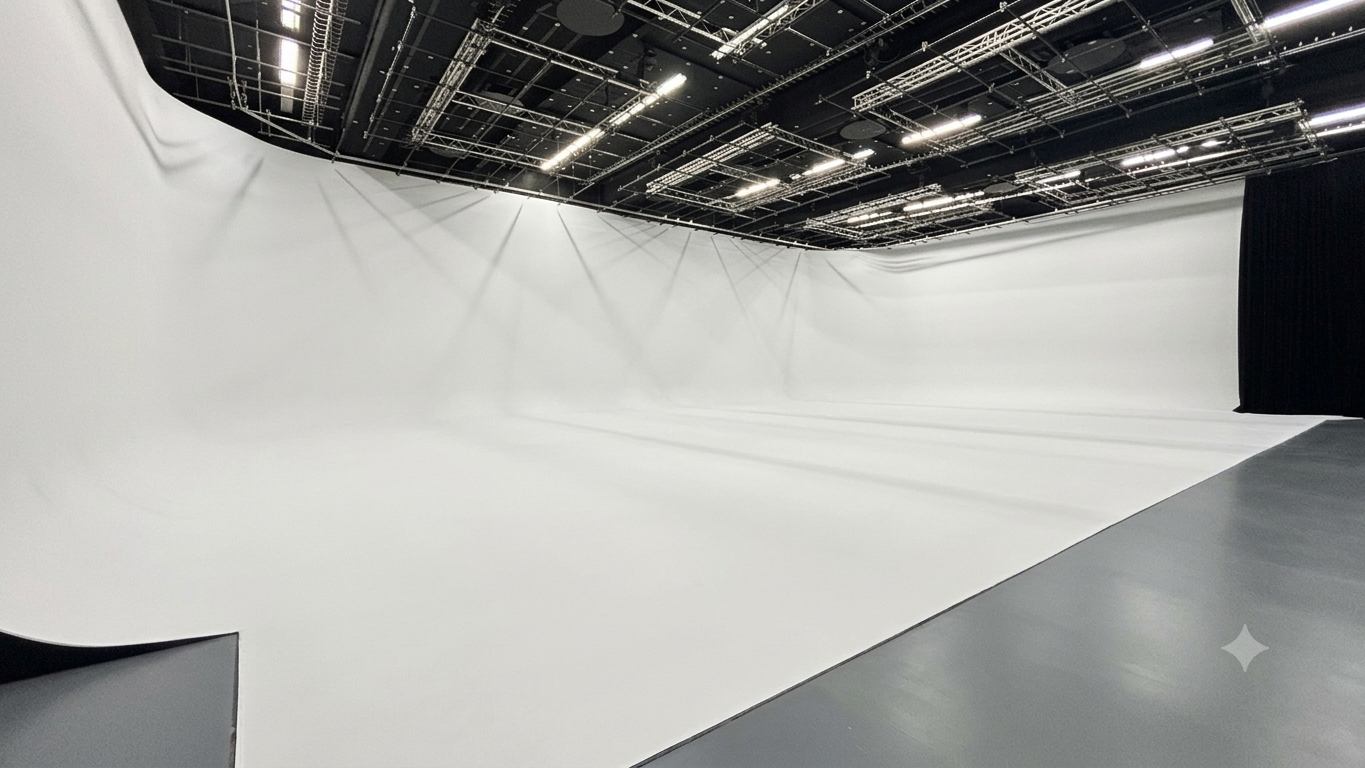
Nashville has become an increasingly active production market, with more crews looking for professional studio space, local gear support, and controlled shooting environments. Citation Support is built for that need, offering flexible studio options for productions of different sizes. Stage One provides an 8,000 sq. ft. Nashville soundstage with a 26-foot white cyc wall, production offices, on-site grip and lighting rentals, and support for commercials, music videos, interviews, branded content, and still photography productions. For smaller shoots, interviews, tabletop work, content creation, and photo sessions, The Breakroom offers a more compact studio option with a cyc wall and a controlled environment inside the same Citation Support production ecosystem.
Before you book your next Nashville soundstage rental, use this checklist to make sure the studio can support the creative, technical, and logistical needs of your shoot.
1. How much stage space do you actually need
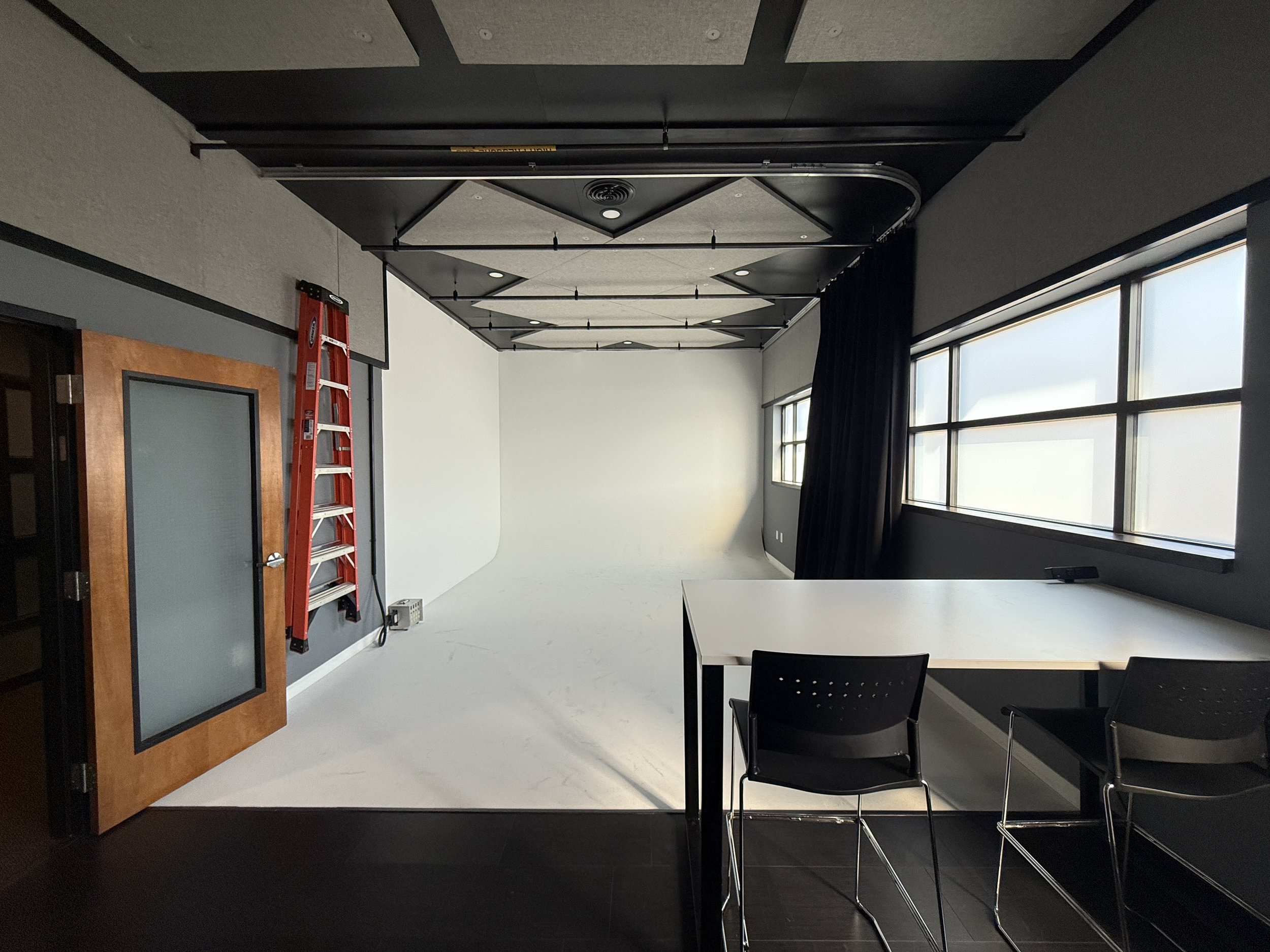
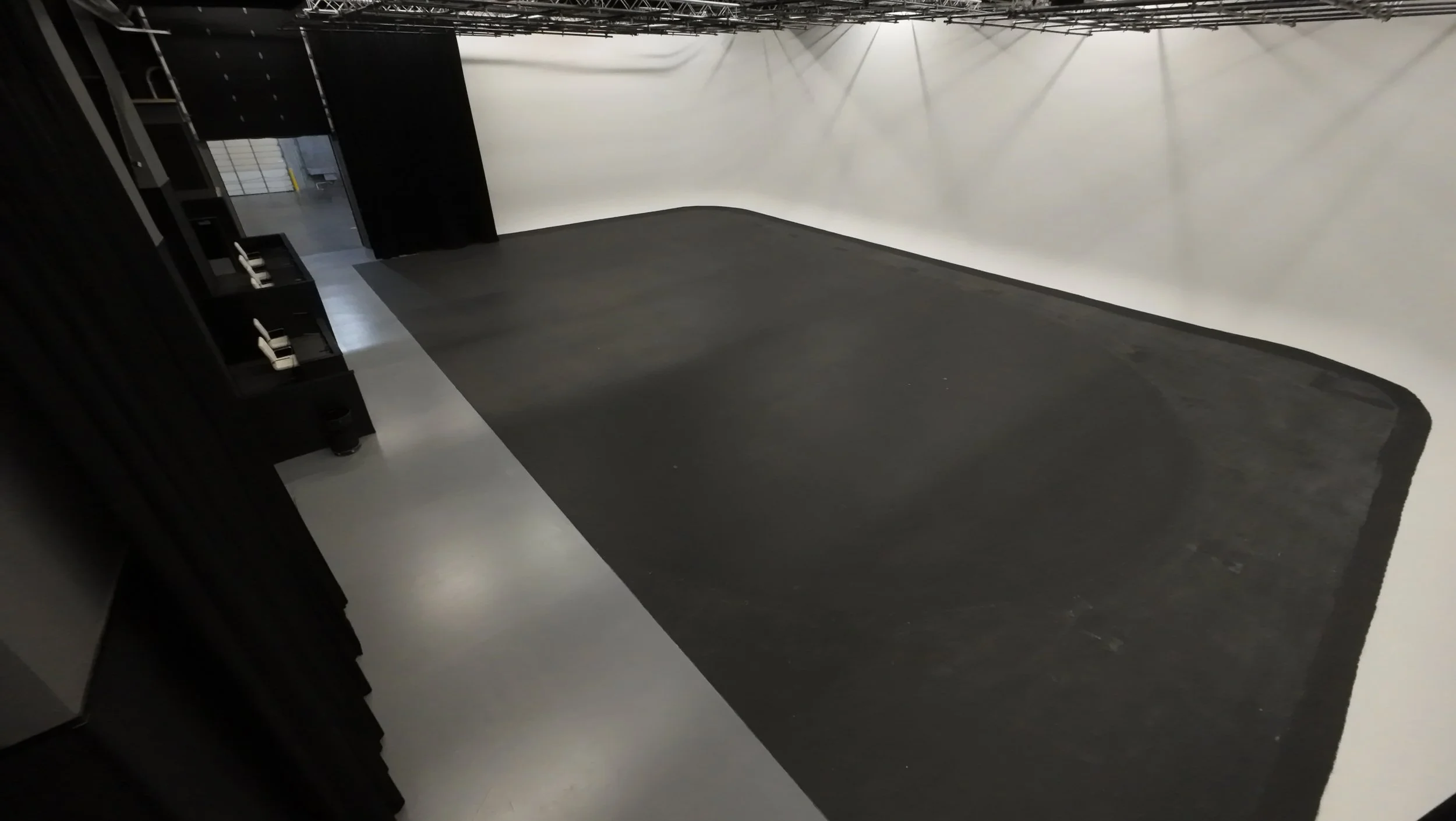
A studio may look large when empty, but usable space can shrink quickly once you add lighting, grip, camera, monitors, props, wardrobe, HMU, client seating, video village, and staging areas. Some shoots also grow as creative needs change, so it helps to choose a studio that can scale with you.
Ask:
What is the total square footage of the stage?
How much open shooting area is available?
Can the space support multiple setups at once?
Is there room for staging gear without cluttering the set?
Can crew, talent, and clients move comfortably around the production?
Is there a seperate area for smaller set ups, such as interviews?
Citation Support offers multiple studio options, including the larger Stage One soundstage and the smaller Breakroom studio, along with on-site gear rentals and production support. Stage One offers 8,000 square feet of adaptable studio space, giving productions room to build, light, stage, and scale efficiently.
2. What power is available?
Power is one of the most important technical questions to ask before booking a soundstage. A space may look great, but if it cannot safely support your lighting package, camera setup, monitors, charging stations, HMU needs, or specialty equipment, the production can run into delays fast.
Ask:
What power drops are available?
Where are they located?
What amperage is available?
Will you need a generator?
Are distro, cable, and qualified support available?
Can the studio support your lighting plan safely?
Stage One offers three 1200 AMP power drops, giving productions substantial infrastructure for larger lighting and production needs.
3. Does the studio have a cyc wall?
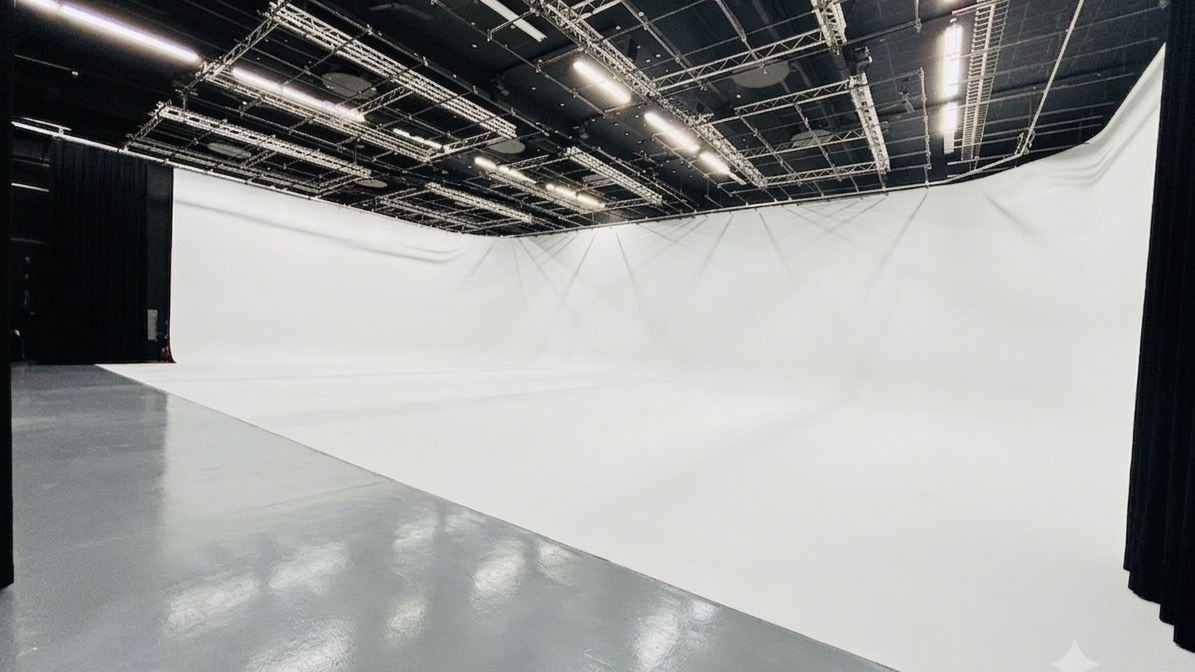
A cyclorama, or cyc wall, is one of the most useful features in a professional studio. It creates a clean, seamless background for commercials, product shoots, fashion, interviews, music videos, branded content, and social media campaigns.
Ask:
Is the cyc wall large enough for your subject, set, or product?
Is it a single-wall or three-wall cyc?
Can it be painted or refreshed if needed?
Are there restrictions on equipment, vehicles, props, or special effects near the cyc?
Is there enough depth to light the background separately from the subject?
Stage One includes a 26-foot, three wall, white cyc wall, giving productions a flexible setup for clean, controlled visuals.
4. Is parking and load-in easy?
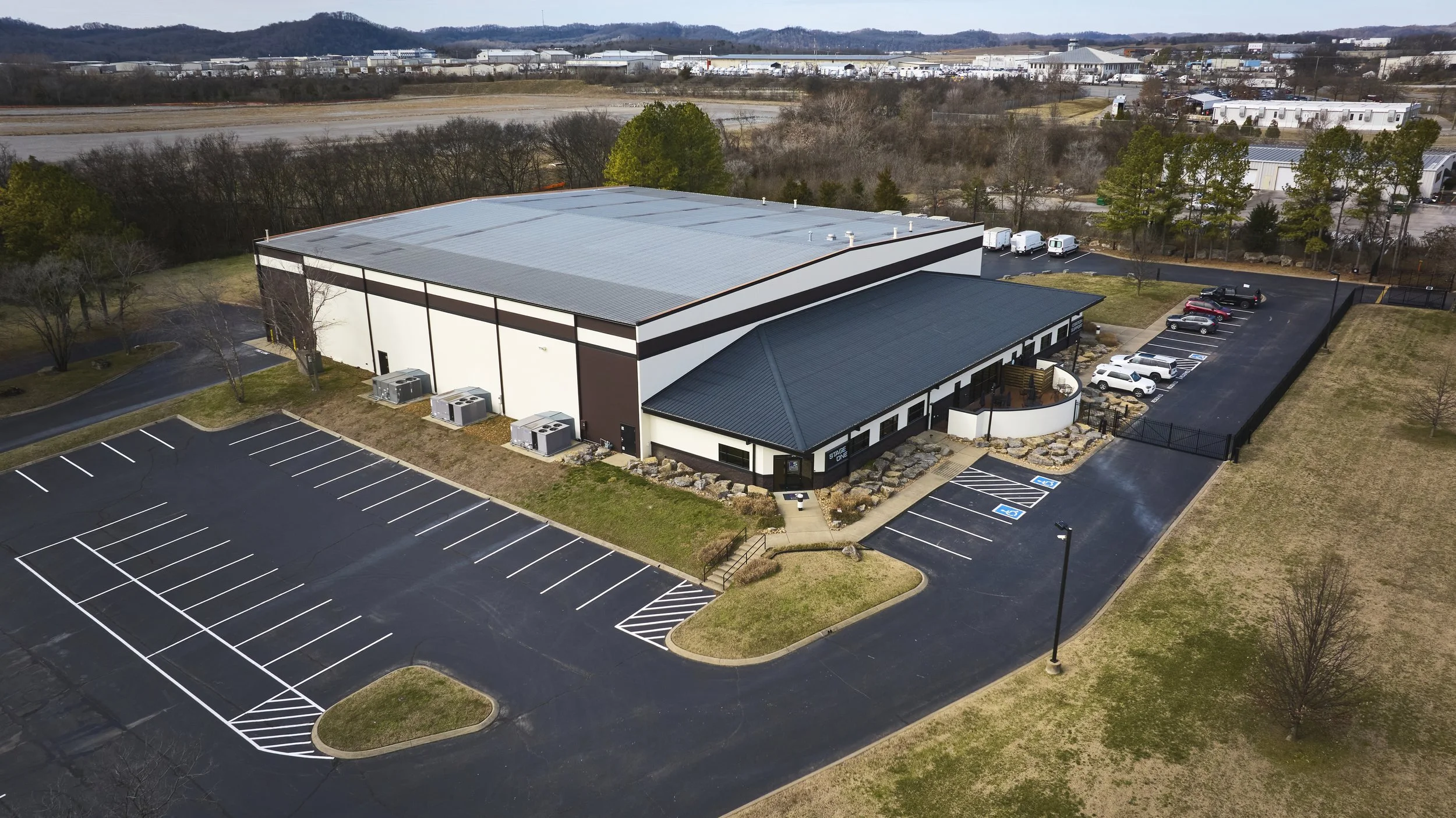
Parking and load-in are often overlooked until shoot day. A studio may have the right look, but if trucks cannot park, gear cannot load in easily, or clients have nowhere to go, the day can start with avoidable delays.
Ask:
Is there private parking?
Can grip trucks or production vehicles access the building easily?
Is there a dedicated stage entrance?
How close is load-in to the shooting area?
Are there restrictions on early arrival or late wrap?
Can larger crews and client teams park on-site?
Stage One includes a dedicated stage entrance and a large private parking lot, which is especially useful for commercial shoots, agency clients, equipment-heavy productions, and visiting crews. There is also two large exterior garage doors for bringing in equipment and set pieces.
5. What kind of lighting control is available?
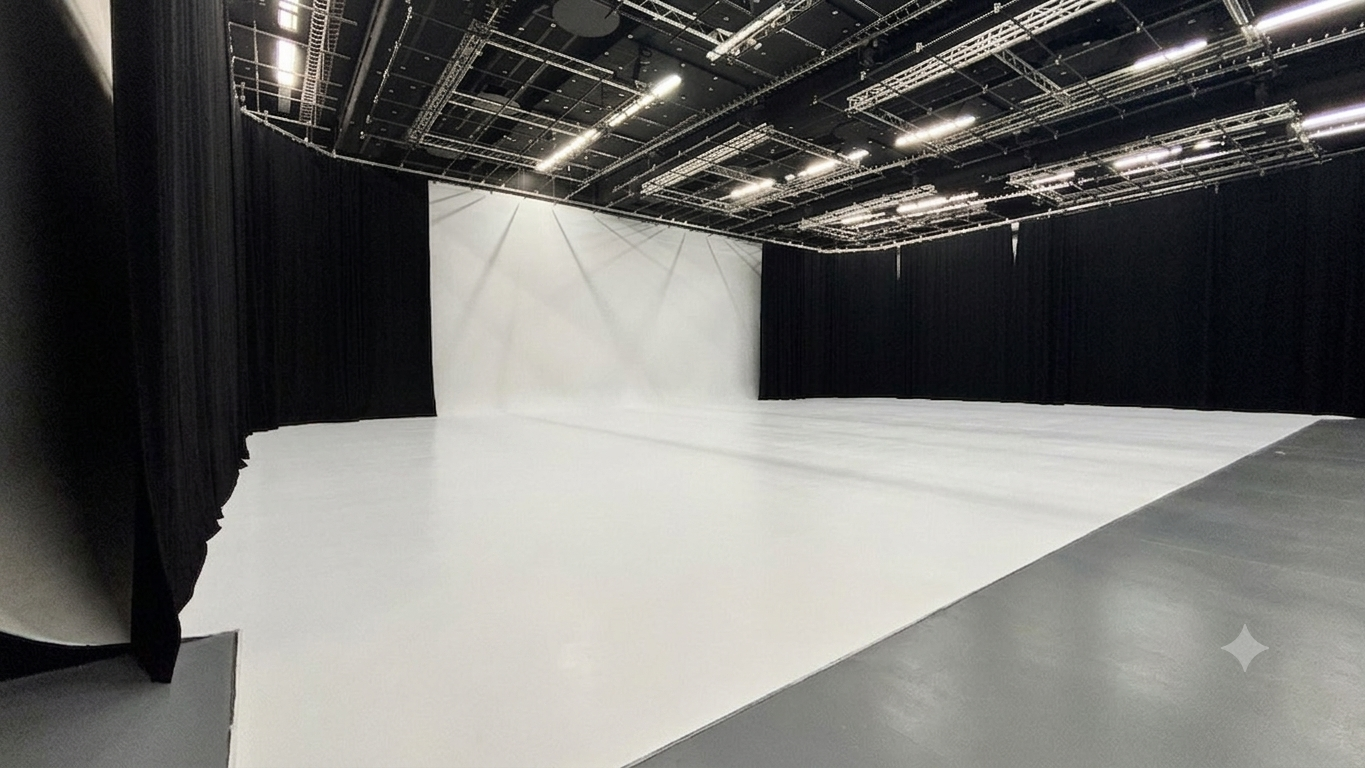
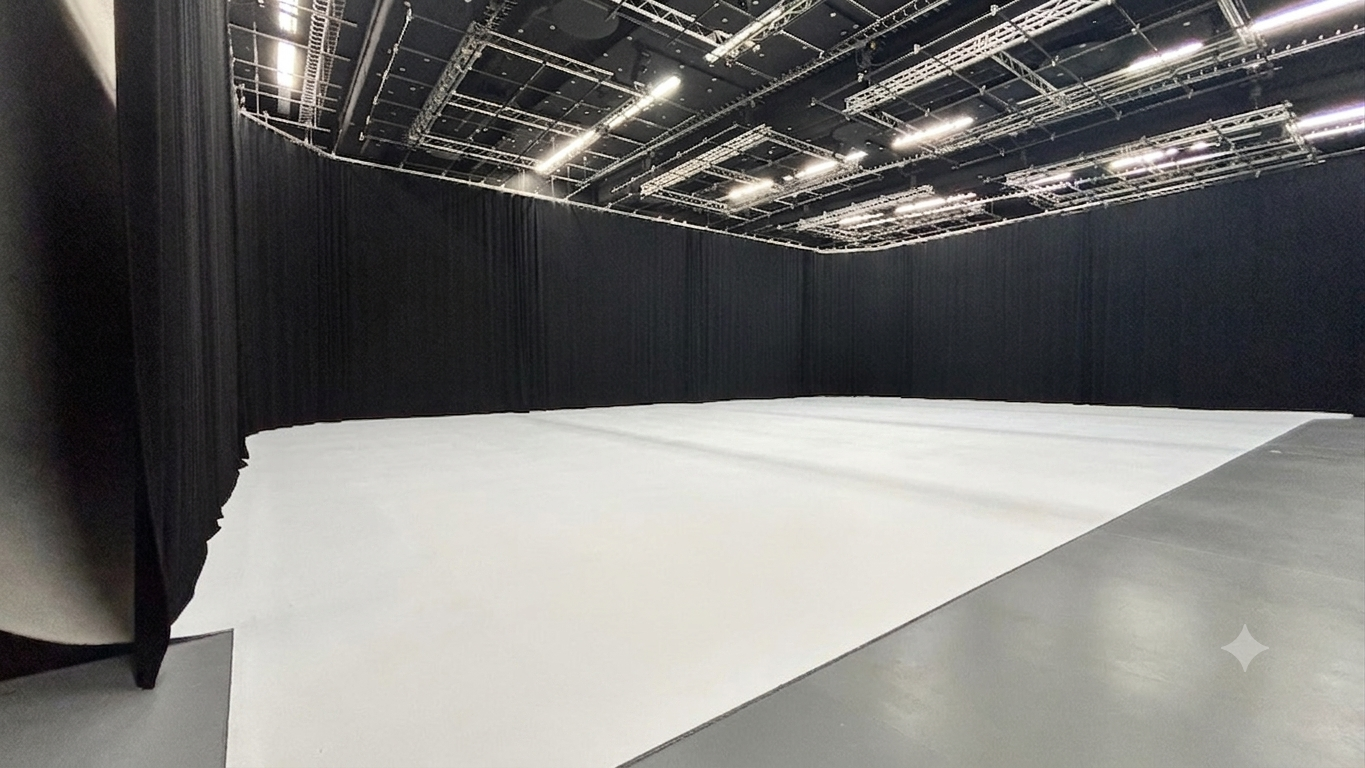
One of the biggest advantages of booking a soundstage is control. Location shoots can be affected by weather, windows, changing sunlight, ambient noise, public access, and unpredictable interruptions. A professional studio should give your team the ability to control light from start to finish.
Ask:
Can the stage go fully dark?
Are blackout curtains available?
Are there windows or unwanted light leaks?
Is the space appropriate for interviews, product work, music videos, or commercial lighting?
Stage One includes a 360-degree blackout curtain system designed for full light control. That gives crews more consistency throughout the day and helps reduce the pressure of racing against changing natural light.
6. Are grip, lighting, and production rentals available on-site?
One of the easiest ways to lose time on a production is sending someone across town for missing gear. When comparing Nashville soundstage rentals, ask whether the studio has on-site equipment access or is connected to a rental house.
Ask:
Can you rent grip and lighting from the same location?
Are stands, flags, silks, modifiers, cable, and expendables available?
Can you add gear during the shoot if the plan changes?
Are grip trucks available?
Is there staff who can help recommend equipment?
Citation Support provides Nashville grip, lighting, strobe, production support rentals, grip trucks, generators, expendables, studio support, and equipment rentals for commercial, television, film, music video, and still photography productions.
This is a major advantage for producers because it reduces vendor coordination and helps keep the shoot moving.
7. Can you rig lights efficiently?
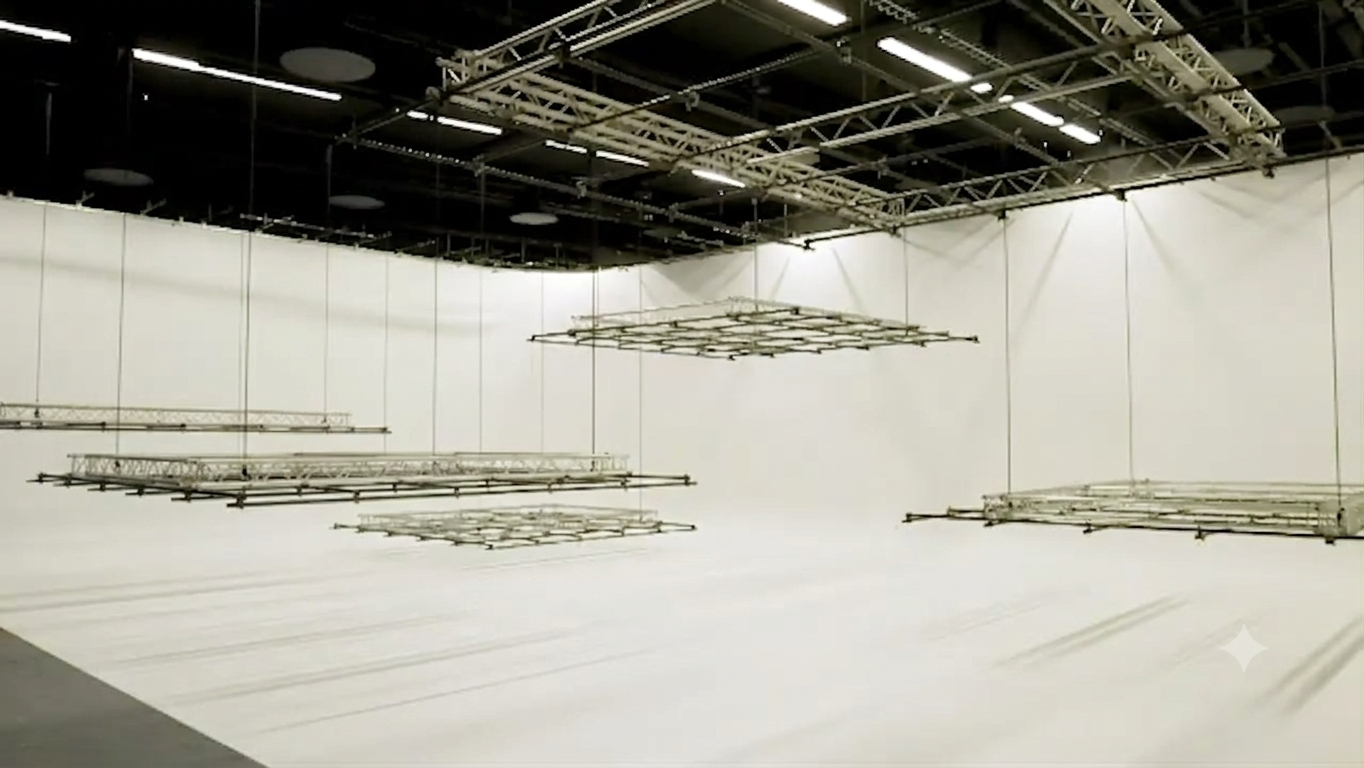
Rigging flexibility affects both creative options and production speed. A good stage should make it easier to place lights, modifiers, overheads, and grip gear without constantly fighting the space.
Ask:
Does the studio have a grid?
Is the grid fixed or movable?
What is the maximum grid height?
Can lights be positioned overhead?
Is the rigging system easy for the crew to work with?
Are grip and electric packages available on-site?
Stage One includes six movable grid pods, with grid height adjustable from near floor level up to around 25 feet. This gives crews more flexibility when building lighting setups for commercials, interviews, music videos, product shoots, and still photography.
8. Is the studio built for sound?
Not every large room is a true soundstage. If your production involves interviews, dialogue, testimonials, branded content, or music-related work, sound matters.
Ask:
Is the space intended for video and film production?
What outside noise sources are nearby?
Is HVAC noise manageable?
Are there echo or reflection issues?
Are there quiet areas for interviews?
Has the space supported dialogue-driven productions before?
For interview setups, commercial dialogue, and branded content, a controlled studio environment can help crews manage sound more consistently than many live locations. Citation Support positions Stage One as a full-service Nashville soundstage designed and built for production use.
9. What support spaces are included?

A soundstage is more than the shooting floor. Productions need places for talent, clients, producers, wardrobe, makeup, gear prep, meals, and administrative work. Without proper support spaces, the stage can become crowded and inefficient.
Ask:
Are there production offices?
Is there a green room?
Are there glam rooms or HMU areas?
Is there a prep bay?
Are restrooms convenient?
Is there space for client monitoring or video village?
Are there areas for wardrobe, props, or staging?
Stage One includes production-friendly support amenities designed to keep crews organized and comfortable from setup through wrap, including a 4,000 sq. ft. prep bay, two production offices, two glam rooms, green room areas, a café space for catering setup, and plenty of restroom facilities for cast, clients, and crew.
10. Is there a studio manager or support team?
A professional soundstage should not leave your team guessing. Having an experienced studio contact can make the day smoother, especially for load-in, power questions, gear additions, facility access, and wrap procedures.
Ask:
Who is your point of contact on shoot day?
Is a stage manager included?
Can the team help with facility questions?
Is someone available if you need additional gear?
How are overtime, wrap, and cleanup handled?
Every Stage One booking includes dedicated Stage Manager support, which can help productions stay organized from setup through wrap.
11. What is nearby?
Ask:
Where is the studio located?
Is it convenient for Nashville-based crews?
Is it easy for out-of-town teams to access?
Are hotels, catering, and production resources nearby?
Is the location practical for combining studio and location work?
Stage One is located in Nashville, Tennessee, in the same building as Citation Support Rentals and just a short distance from downtown Nashville. This convenient location makes it practical for productions that need both studio space and production equipment support in one place, while keeping crews close to essential resources like hardware stores, restaurants, hotels, and other production-friendly services.
Book a Nashville Soundstage That Supports the Whole Production
The right soundstage does more than provide four walls and a shooting area. It helps your crew work faster, gives your creative team more control, keeps clients comfortable, and reduces the number of moving parts required to complete the shoot.
For productions that need a professional Nashville soundstage rental, Stage One at Citation Support offers an 8,000 sq. ft. studio, 26-foot white cyc wall, blackout control, movable grid system, major power infrastructure, production support spaces, private parking, on-site grip and lighting rentals, and dedicated stage support.
Whether you are planning a commercial, music video, branded content shoot, interview, or still photography production, Citation Support can help you find the right studio setup and production resources for your next Nashville shoot.